

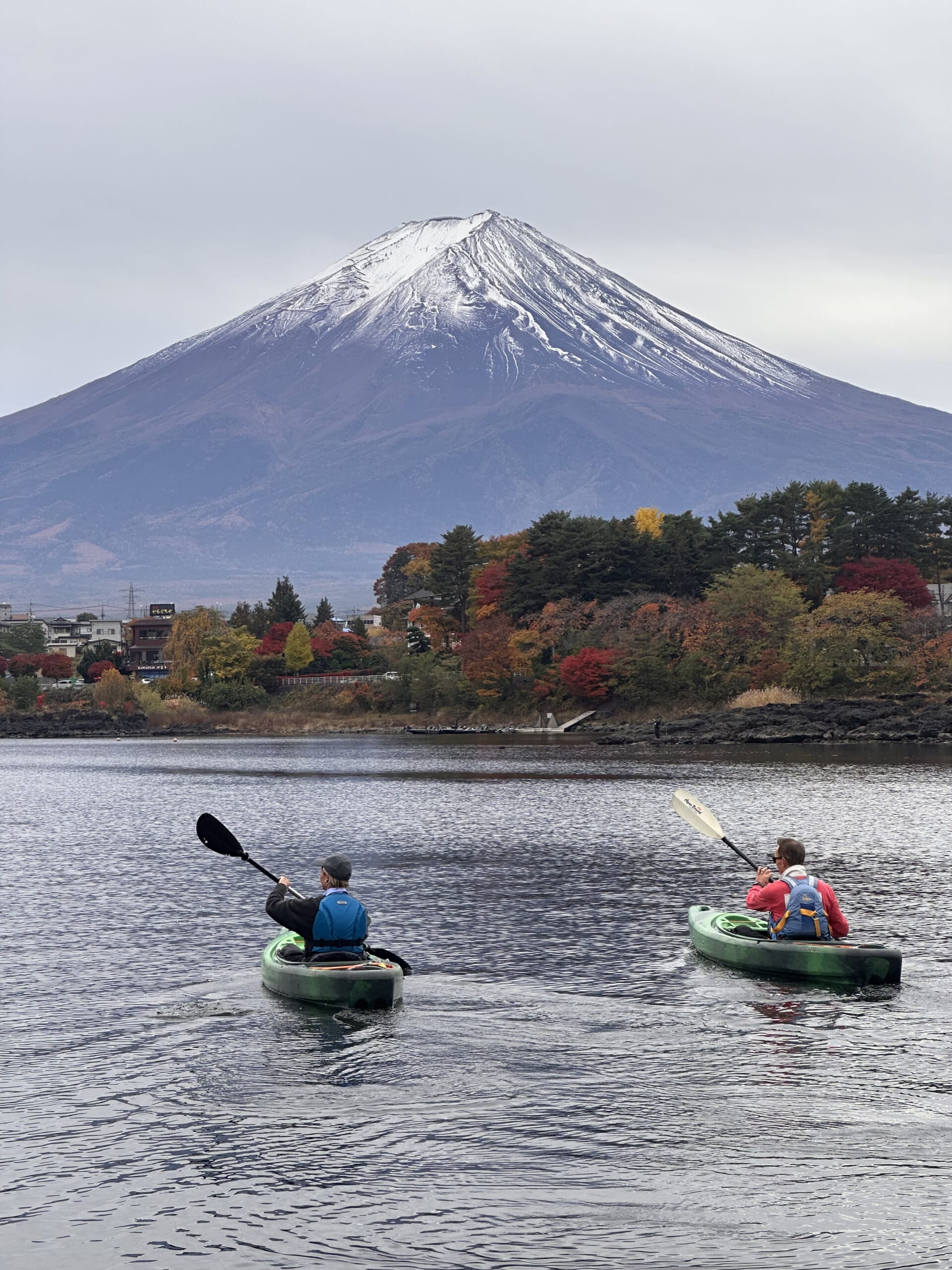
Looking for the best things to do in Kawaguchiko in two days? Escape the bustle of Tokyo and discover a quieter side of Japan with NaturaBase Kawaguchiko. From Buddhist meditation and traditional matcha to sunrise kayaking on Lake Kawaguchi and a guided walk through the ancient Aokigahara Forest, this two-day itinerary combines nature, culture and adventure at the foot of Mount Fuji.
Whether you are visiting Japan for the first time or looking for experiences beyond the usual tourist trail, Kawaguchiko is an ideal place to slow down, reconnect with nature and experience a different rhythm of Japanese life.
Here is how to make the most of two days in Kawaguchiko before continuing your journey to Kyoto.
Day 1: Leave Tokyo Behind and Discover Japanese Zen
Morning: Travel from Tokyo to Kawaguchiko
Your journey begins in Tokyo, where you can trade busy streets, crowded trains and the constant movement of the city for the open landscapes of the Fuji Five Lakes region.
There are two convenient ways to reach Kawaguchiko:
- By train: Travel from Shinjuku towards Kawaguchiko, with the route depending on your chosen service. Some trains run directly, while others require a transfer.
- By highway bus: Direct buses from the Shinjuku area to Kawaguchiko Station offer a convenient alternative, often taking around two hours depending on traffic.
Once you arrive, take a moment to appreciate the change in atmosphere. The air feels different, the landscape opens up, and on a clear day, Mount Fuji rises above the surrounding town.
Drop off your luggage or arrange an early check-in with your accommodation if possible. Then prepare for an afternoon focused on something many travellers rarely make time for: stillness.
Afternoon: Experience Zazen Meditation and Matcha at a Local Temple
After the energy of Tokyo, begin your Kawaguchiko stay with a traditional Japanese Buddhist experience.
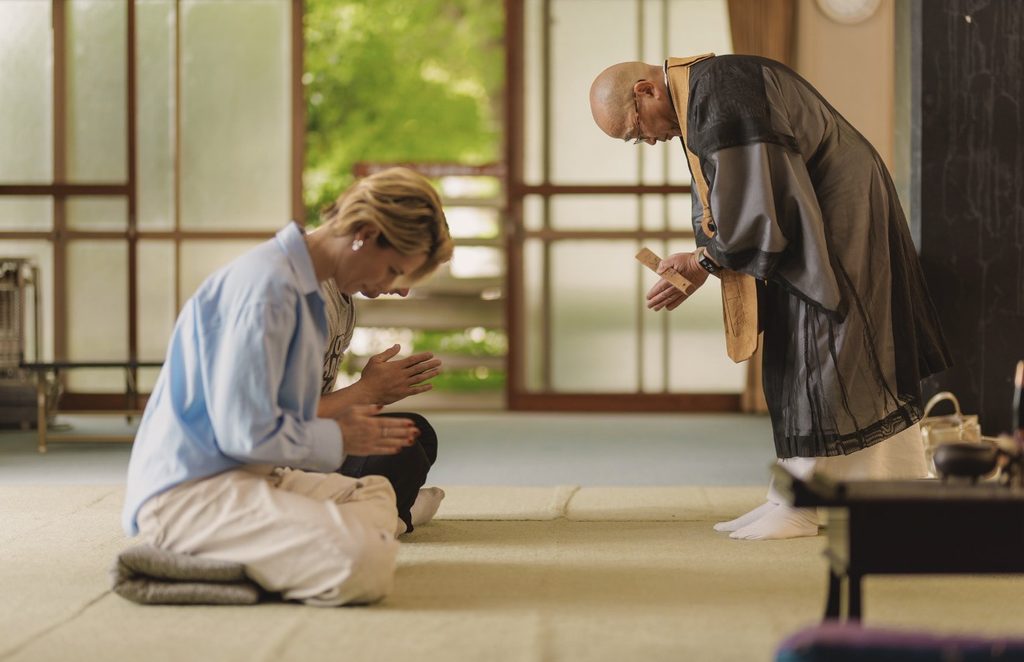
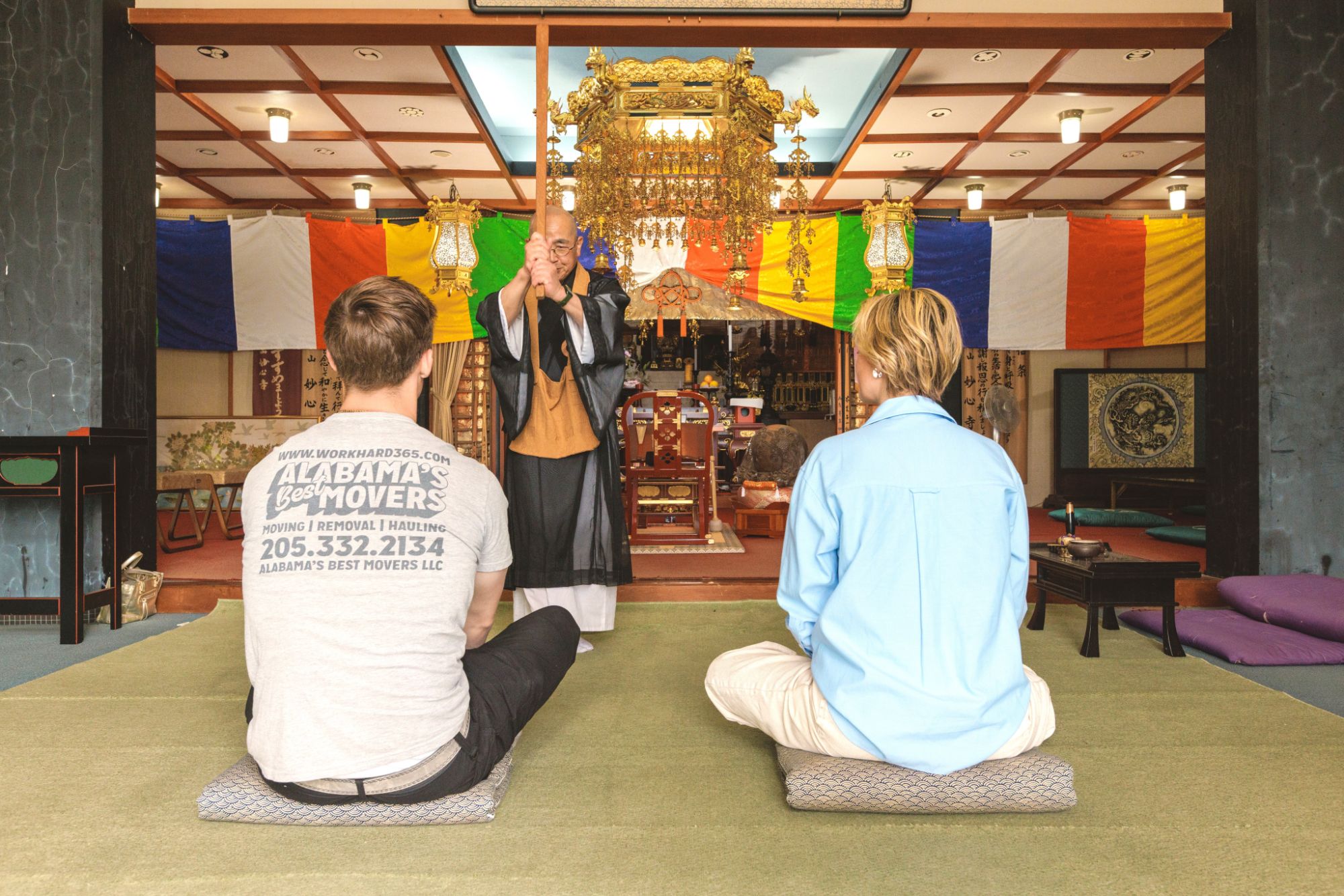
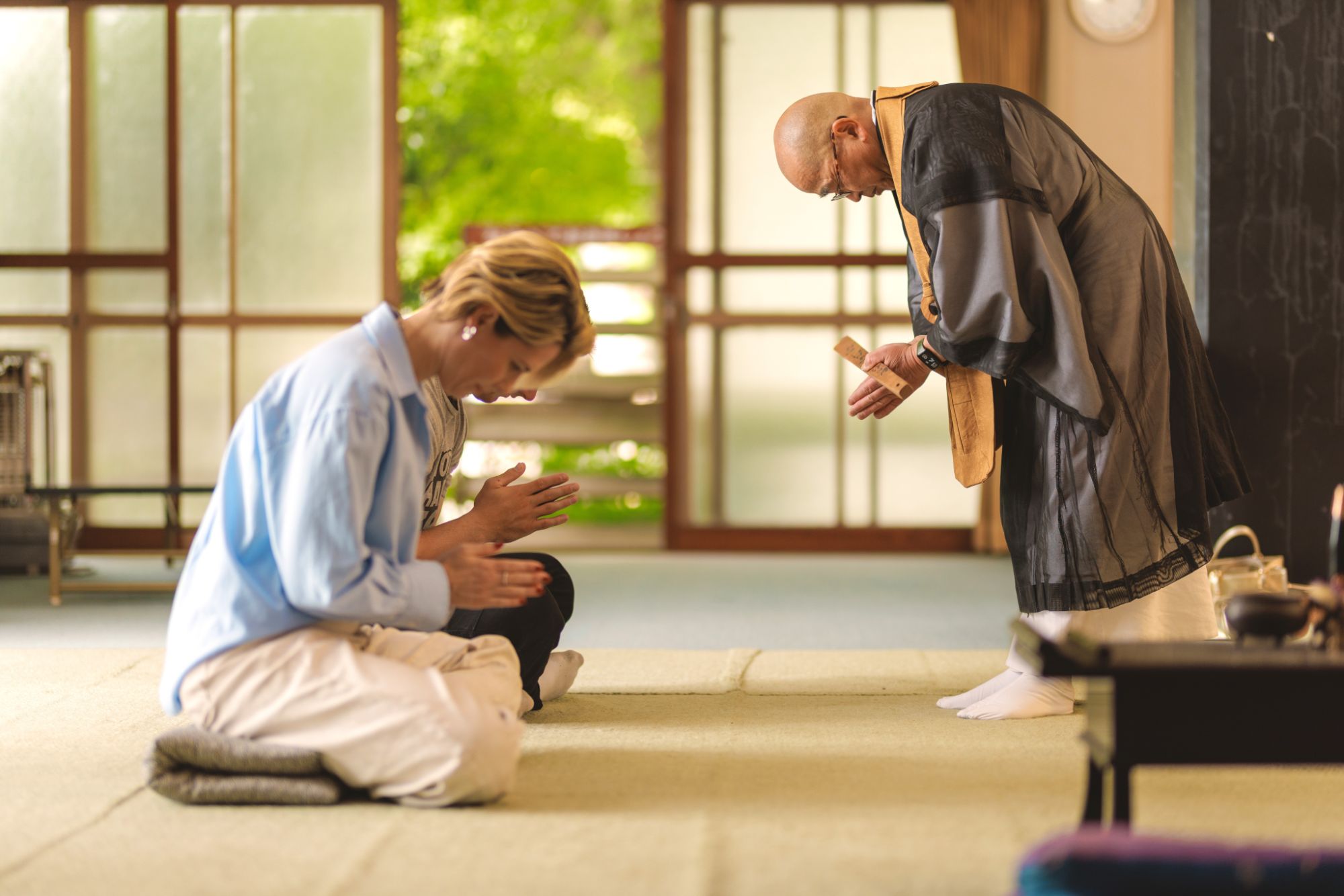
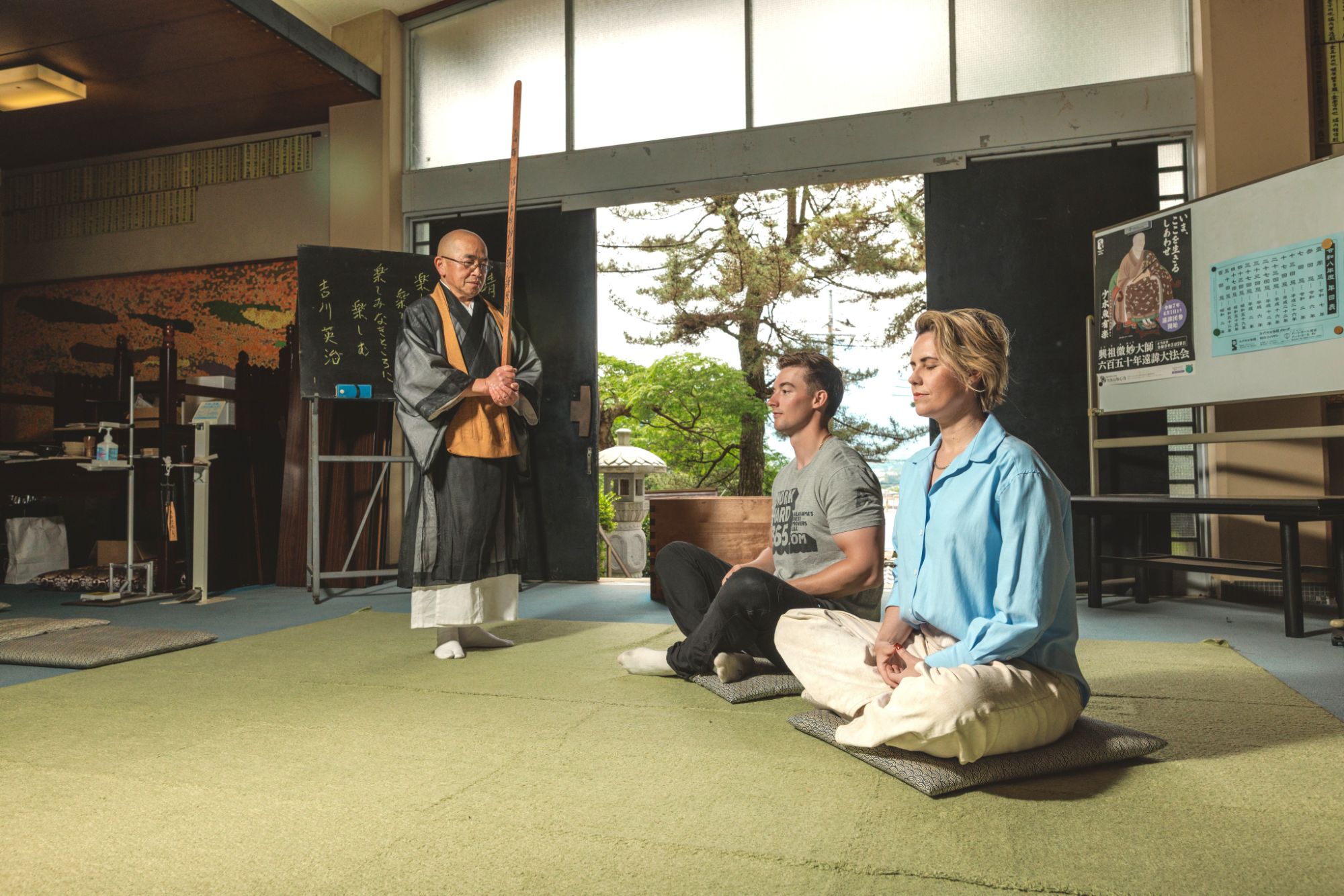
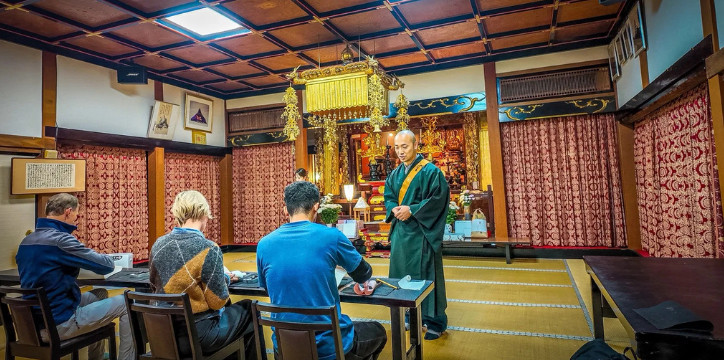
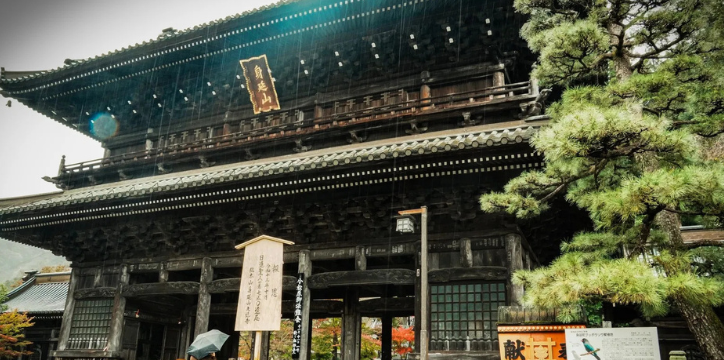
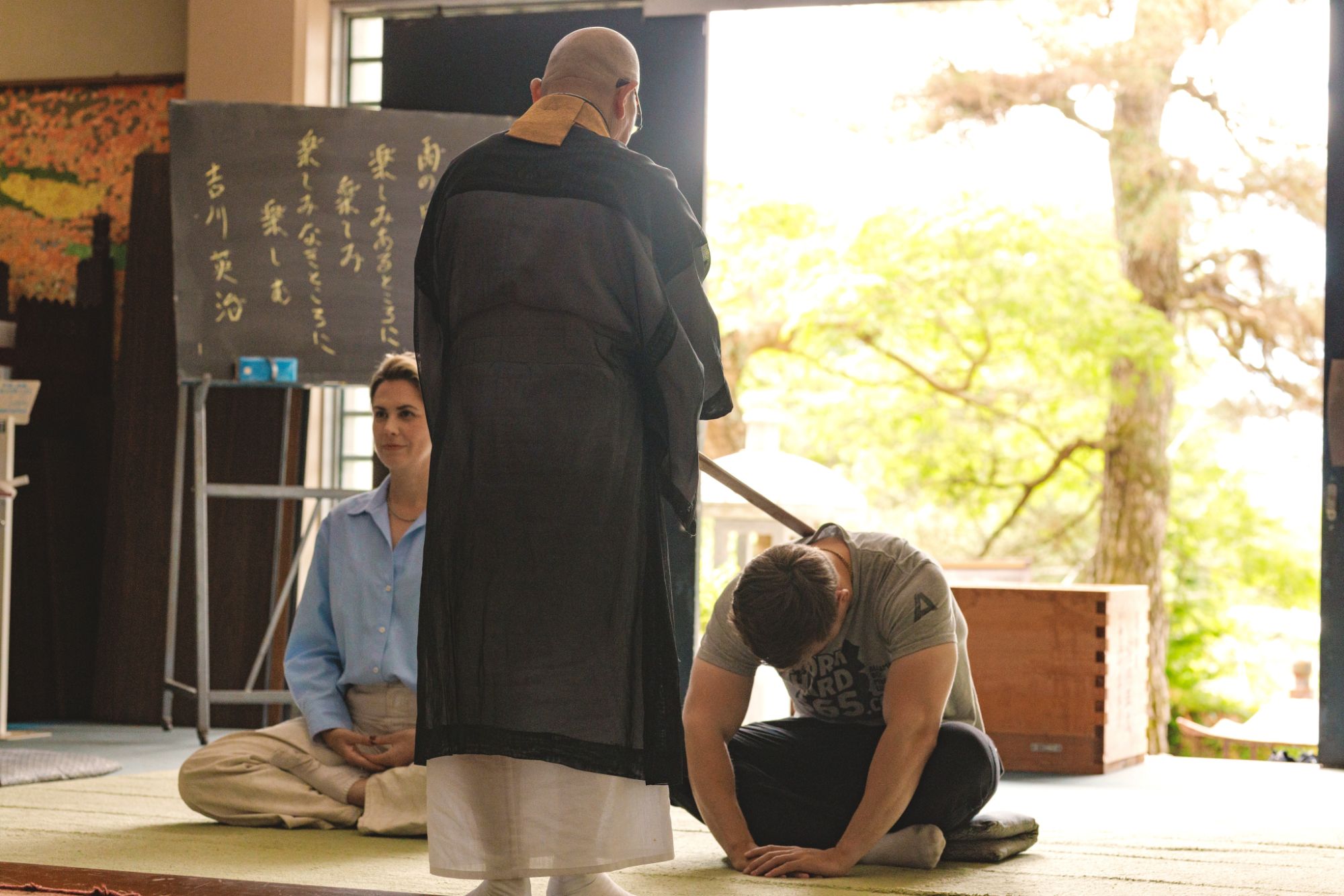
With Natura Base Kawaguchiko, you can visit a local temple and be introduced to zazen, the seated meditation practice associated with Zen Buddhism.
Rather than rushing from one attraction to another, this experience invites you to pause. Guided by a monk, you will learn the basics of meditation, including how to sit, settle your breathing and bring your attention to the present moment.
You do not need previous meditation experience or any particular knowledge of Buddhism. The practice is accessible to beginners, and the experience offers an opportunity to encounter a living tradition of Japanese culture in a peaceful setting.
For travellers arriving from a fast-paced city, this can be a meaningful way to begin a visit to the Fuji Five Lakes. Instead of filling the afternoon with more activity, you have time to let the noise of everyday life recede and become more attentive to your surroundings.
After the meditation session, enjoy a bowl of matcha green tea accompanied by a traditional Japanese sweet. The gentle bitterness of the tea balances the sweetness of the confection, creating a simple ritual that encourages you to slow down and savour the moment.
Zazen and matcha offer more than an introduction to Japanese customs. Together, they provide a glimpse into a culture in which attention, simplicity and the appreciation of small moments have long held an important place.
It is a fitting beginning to two days spent exploring the natural beauty around Mount Fuji.
Click HERE to book your zazen experience.
Evening: Enjoy Hoto Noodles by Lake Kawaguchi
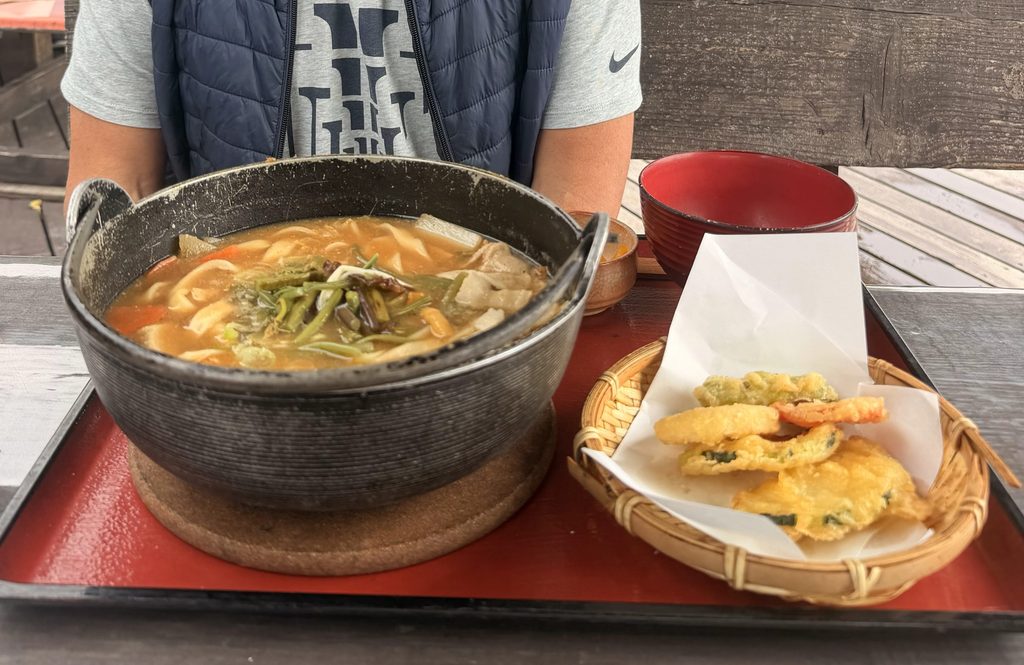
After your temple visit, spend the evening discovering one of Yamanashi Prefecture’s best-known local dishes: hoto noodles.
Hoto is a hearty regional speciality made with broad, flat noodles simmered in a rich miso-based broth, typically with vegetables such as pumpkin, mushrooms and leafy greens. Unlike many familiar Japanese noodle dishes, the noodles are cooked directly in the broth, creating a warming, comforting meal.
The dish is particularly appealing after a day outdoors or during the cooler months around Mount Fuji.
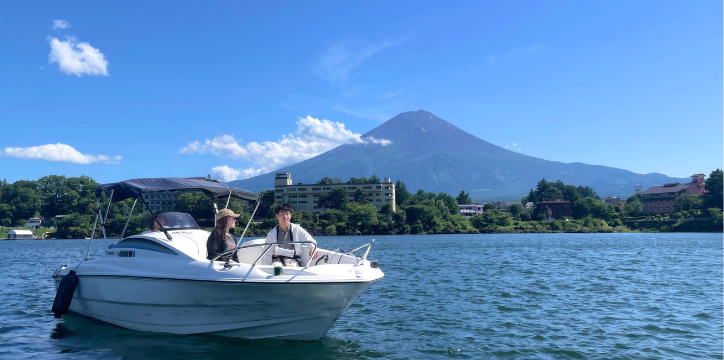
Look for a local restaurant on the northern side of Lake Kawaguchi, where you can enjoy dinner in the area surrounding the lake. Depending on the location and weather, you may also be able to appreciate views of Mount Fuji or the lakeside landscape.
Hoto is an excellent way to experience regional Japanese food beyond the sushi and ramen that many international visitors associate with Japan.
Night: Settle In for an Early Start
After dinner, return to your accommodation and get some rest. The next morning begins early, but there is a special reason to set the alarm.
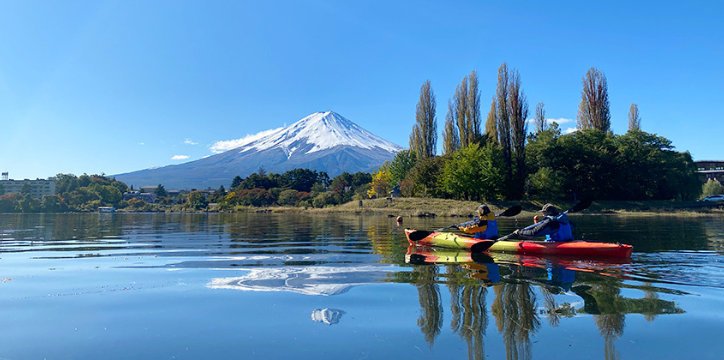
Lake Kawaguchi can be particularly beautiful in the early hours, when the water is calm and the landscape is quieter. If conditions cooperate, you may even see Mount Fuji reflected on the lake’s surface.
An early night will leave you ready to experience the region from the water.
Day 2: Sunrise Kayaking and Aokigahara Forest
7:00 AM: Kayak on Lake Kawaguchi with Mount Fuji Views
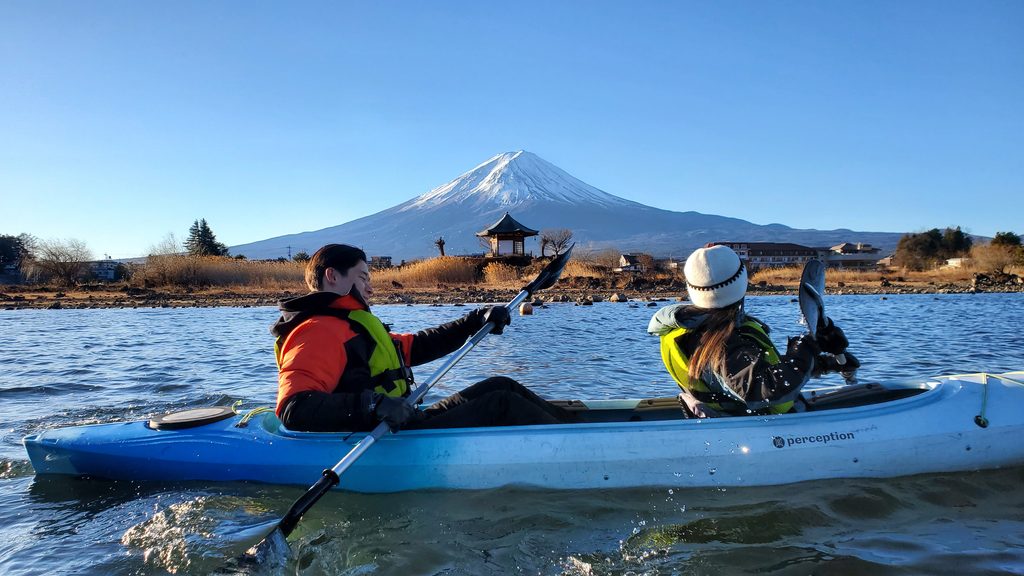
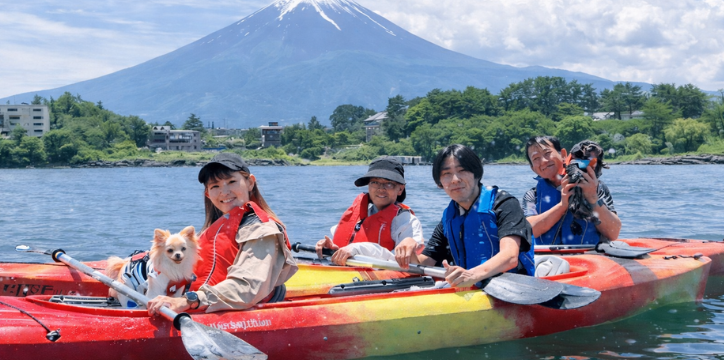
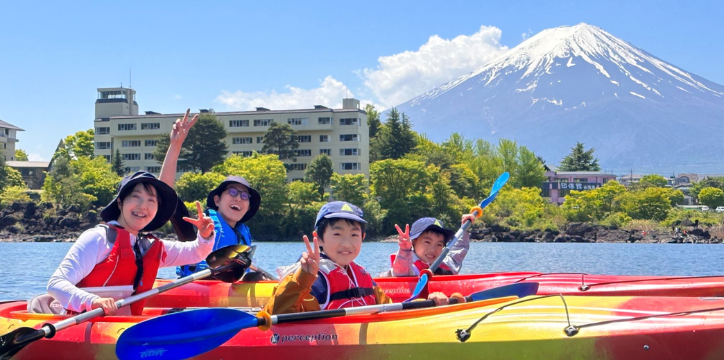
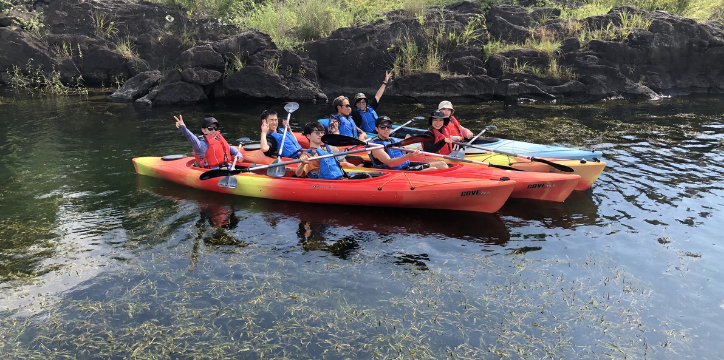
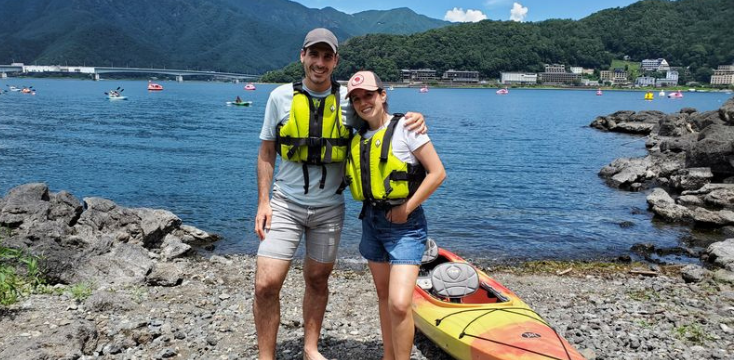
Start your second day with an early-morning kayaking experience on Lake Kawaguchi.
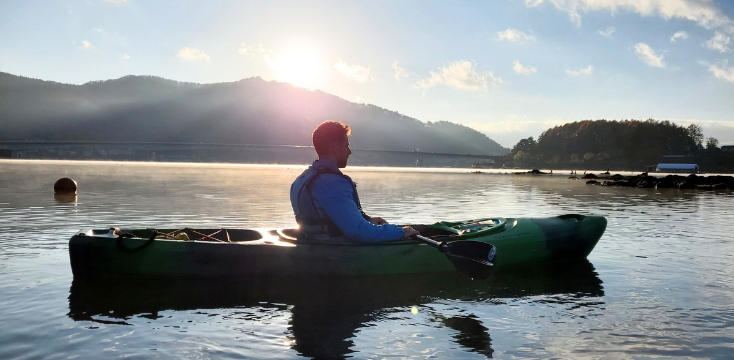
At around 7:00 AM, the lakeside often feels a world away from the busier sightseeing spots that fill up later in the day. The morning light gradually reveals the surrounding mountains, and the lake offers a different perspective on the magnificent landscape of Mount Fuji.
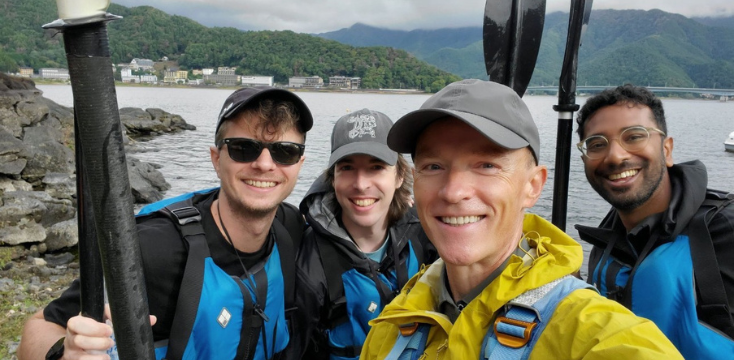
With Natura Base Kawaguchiko, enjoy approximately two hours on the water with a guide. Whether you have kayaked many times before or are trying it for the first time, the experience is an opportunity to explore the lake at a gentler pace and appreciate the scenery from close to the water.
One of the highlights is having photographs taken by your guide, allowing you to enjoy the experience without needing to spend the entire time holding a camera or phone.
On clear mornings, Mount Fuji can provide a spectacular backdrop. The changing light, the surrounding mountains and the reflections across the water can make the experience memorable even for travellers who have already seen Fuji from the shore.
Of course, the mountain is a natural feature rather than a guaranteed view. Cloud cover, wind and other weather conditions can affect visibility and kayaking conditions, so the exact experience will vary from day to day.
After your time on the lake, enjoy a coffee and take in the peaceful surroundings before returning to your accommodation for breakfast and a short break.
This early start gives you the chance to experience one of Kawaguchiko’s defining landscapes before moving on to a completely different environment: the deep green forest at the foot of Mount Fuji.
Click HERE to book a kayaking tour with us.
Late Morning to Early Afternoon: Explore Aokigahara Forest with a Local Guide
After breakfast, head towards Aokigahara Forest for a guided nature walk with Natura Base Kawaguchiko.
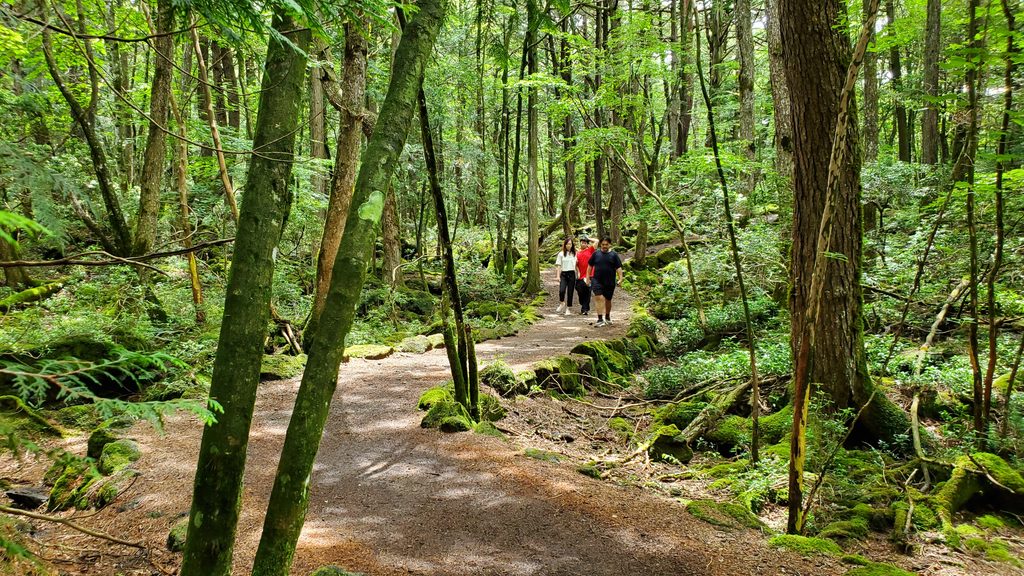
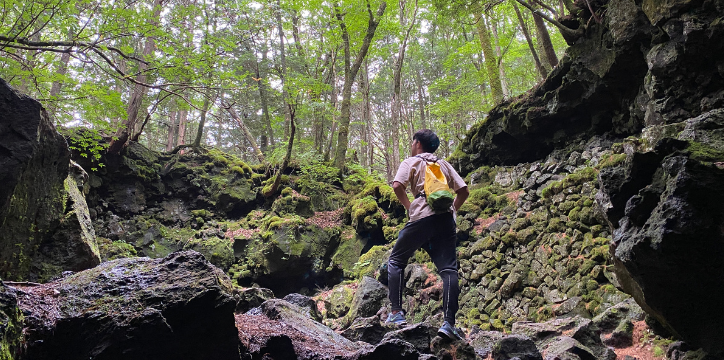
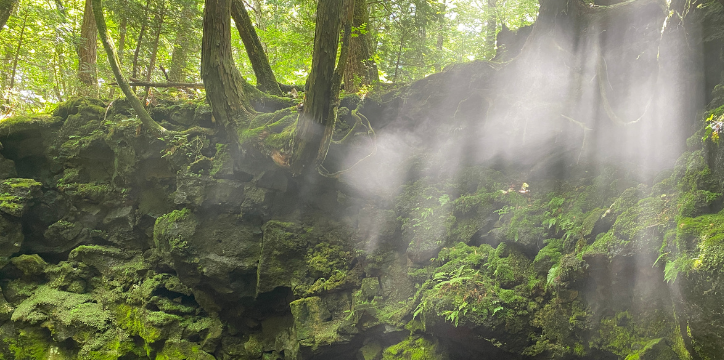
Also known as the Sea of Trees, Aokigahara is one of the most distinctive natural environments in the Mount Fuji region. Its dense evergreen trees, moss-covered volcanic rock and unusual geological features create a landscape that feels remarkably different from the open views around Lake Kawaguchi.
Allow approximately three hours for your forest experience, depending on the route and activities arranged. With a guide, you can explore the forest’s natural character while learning about the geology, ecology and history that make this area so fascinating.
A Forest Born from Mount Fuji
Aokigahara’s story begins with one of Mount Fuji’s major eruptions.
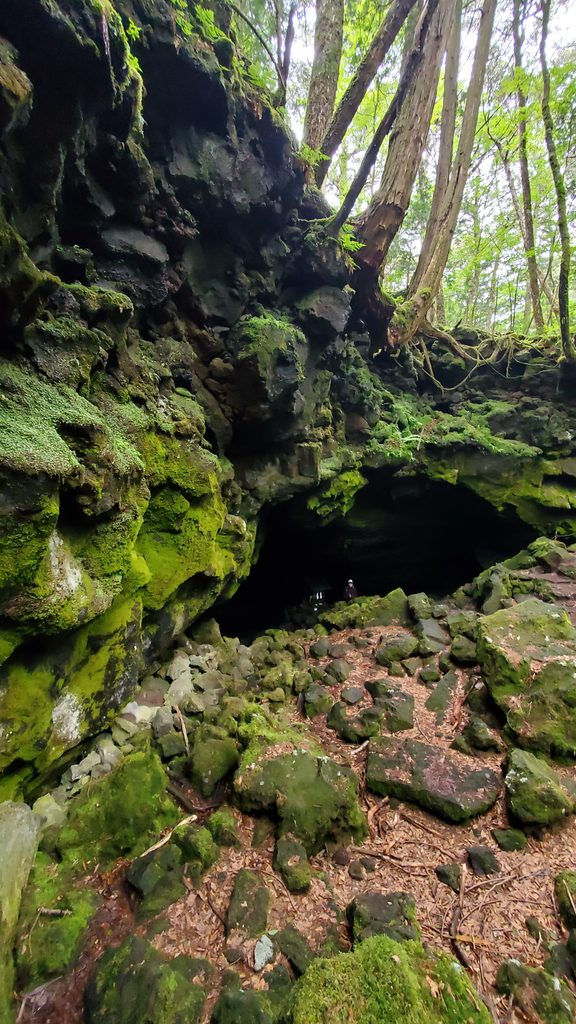
In 864 CE, the Jogan eruption sent lava across parts of the surrounding landscape. As the lava cooled and hardened, it created the volcanic ground on which Aokigahara Forest subsequently developed. Over the centuries, trees, mosses and other plants gradually established themselves across this rugged terrain.
Today, the forest covers approximately 30 square kilometres. Its combination of volcanic rock, dense vegetation and rich moss growth gives it a distinctive atmosphere.
The ground beneath the trees can be uneven, with exposed lava formations and pockets of vegetation growing between the rocks. The porous volcanic surface also absorbs sound, contributing to the forest’s notably quiet atmosphere.
Walking through Aokigahara offers an opportunity to understand how a landscape shaped by powerful volcanic forces can gradually become a thriving ecosystem.
Discover the Forest’s Hidden Details
A guided walk allows you to look beyond the forest’s dramatic reputation and notice the smaller details that make it a remarkable natural environment.
Look for mosses covering volcanic rocks, intricate tree roots, ferns and other plants adapted to the forest floor. Listen for birds and the subtle sounds of wildlife moving through the trees.
Your guide can help explain the landscape and its geological origins, bringing the forest’s history to life as you explore.
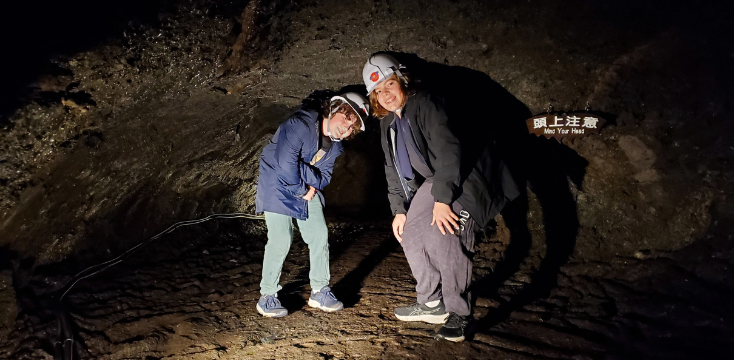
The wider Aokigahara area is also known for its lava caves, including the Fugaku Wind Cave and Narusawa Ice Cave. These formations developed as a result of Mount Fuji’s volcanic activity. Depending on your specific tour arrangement, route and available time, a cave visit may be possible as an additional activity.
The forest is also associated with Japanese folklore and has acquired a darker reputation through popular culture. However, its natural history tells a much broader story: one of geological transformation, ecological renewal and the gradual return of life to volcanic terrain.
Exploring with a knowledgeable guide helps you appreciate this complexity while following appropriate trails and respecting the environment.
By the end of the walk, you will have experienced two very different sides of the Fuji Five Lakes region: the open water and mountain views of Lake Kawaguchi, followed by the sheltered, ancient-looking world of Aokigahara.
Click HERE to book your walking tour.
Afternoon: Continue Your Journey to Kyoto
After your forest walk, it is time to continue your Japanese adventure.
From Kawaguchiko, travel to Mishima Station, where you can connect with the Tokaido Shinkansen towards Kyoto. A highway bus operates between Kawaguchiko Station and Mishima Station, making this a useful option for travellers planning to continue west rather than return to Tokyo.
Check the latest bus timetable and reserve your seat in advance, particularly during busy travel periods. Allow enough time between the bus arrival and your Shinkansen departure, as road traffic can cause delays.
Once at Mishima Station, board your Shinkansen for Kyoto. In just two days, you will have experienced a quieter, more nature-focused side of Japan before moving on to the historic temples, traditional streets and cultural landmarks of the ancient capital.
Make the Most of Two Days in Kawaguchiko with NaturaBase
Kawaguchiko is often visited as a quick stop on the way to see Mount Fuji. But spending two days here allows you to experience much more than a famous mountain viewpoint.
You can begin with the stillness of Buddhist meditation, enjoy the simple pleasure of matcha and traditional Japanese sweets, discover regional food, paddle across the lake in the early morning and explore a forest shaped by volcanic history.
Together, these experiences offer a different way to discover Japan: one that balances cultural encounters, outdoor adventure and time to appreciate the natural world.
NaturaBase Kawaguchiko offers guided experiences designed to help visitors connect more deeply with the Fuji Five Lakes region. Whether you are interested in kayaking, forest walks or traditional Japanese cultural experiences, Kawaguchiko is a place where two days can become much more than a stop on your itinerary.
Plan your visit, allow yourself time to slow down, and discover a side of Japan that you might otherwise miss.



Comment